Water losses are some of the most disputed property claims, because water doesn't stay where it starts. Drywall can look dry while moisture spreads behind it — and the difference between a covered, sudden loss and an excluded, long-term one often comes down to documentation. Sudden plumbing failures — a burst supply line, a failed water heater, or an overflowing appliance — are water losses too, and we handle them here.
Request help with a water damage claim
Water damage can spread behind walls, under flooring, and into materials that may not look wet. Tell us what happened and upload photos or documents if you have them.
A short first step — not a full claim file. You can submit even if you do not know everything yet, and a licensed public adjuster will follow up.
Request HelpOr call (404) 424-9477 · toll-free (855) 404-8196.
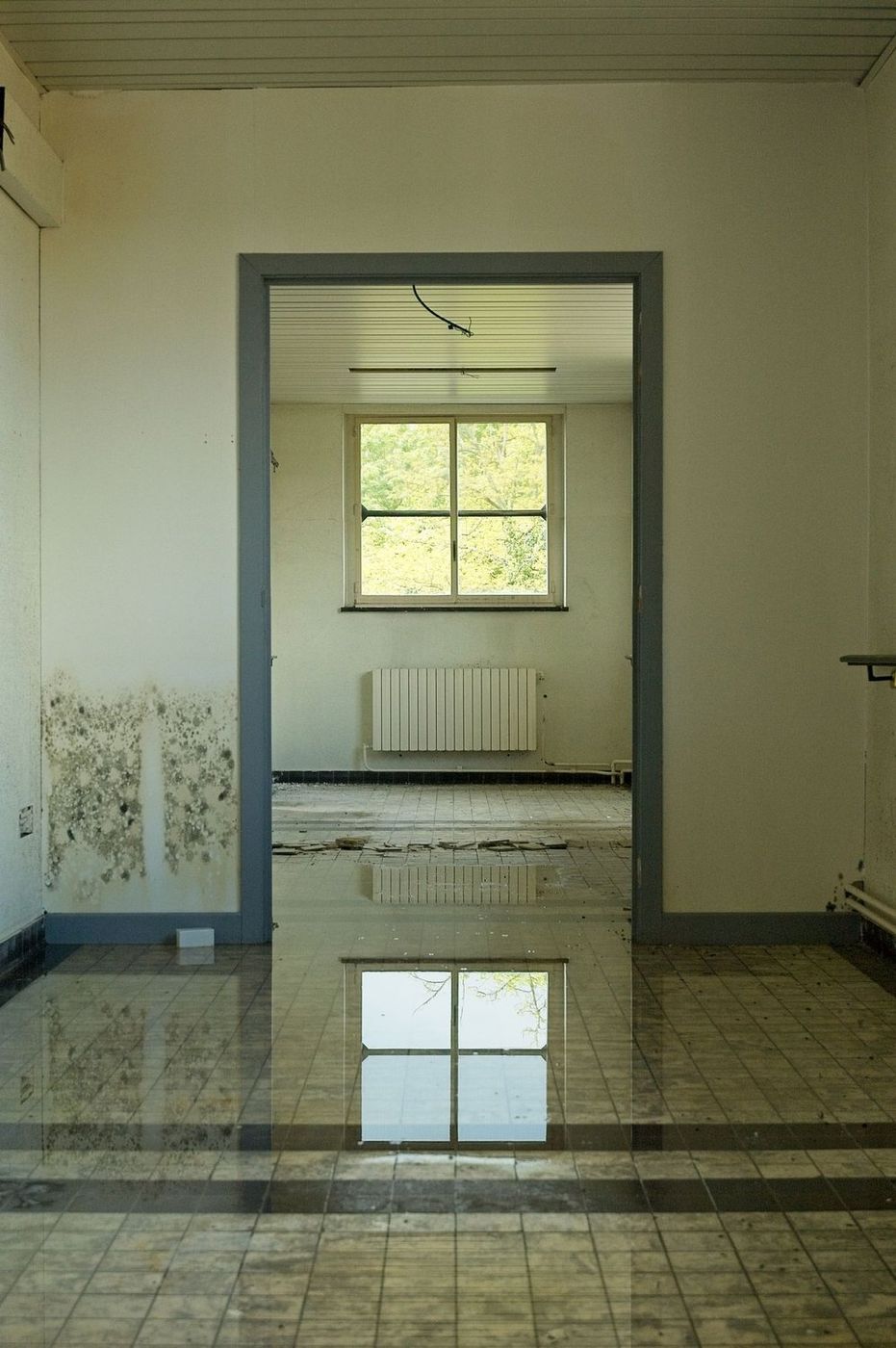
How a water loss travels
Documenting each stage is how the claim reflects the full loss — not just the surface.
Water damage documentation
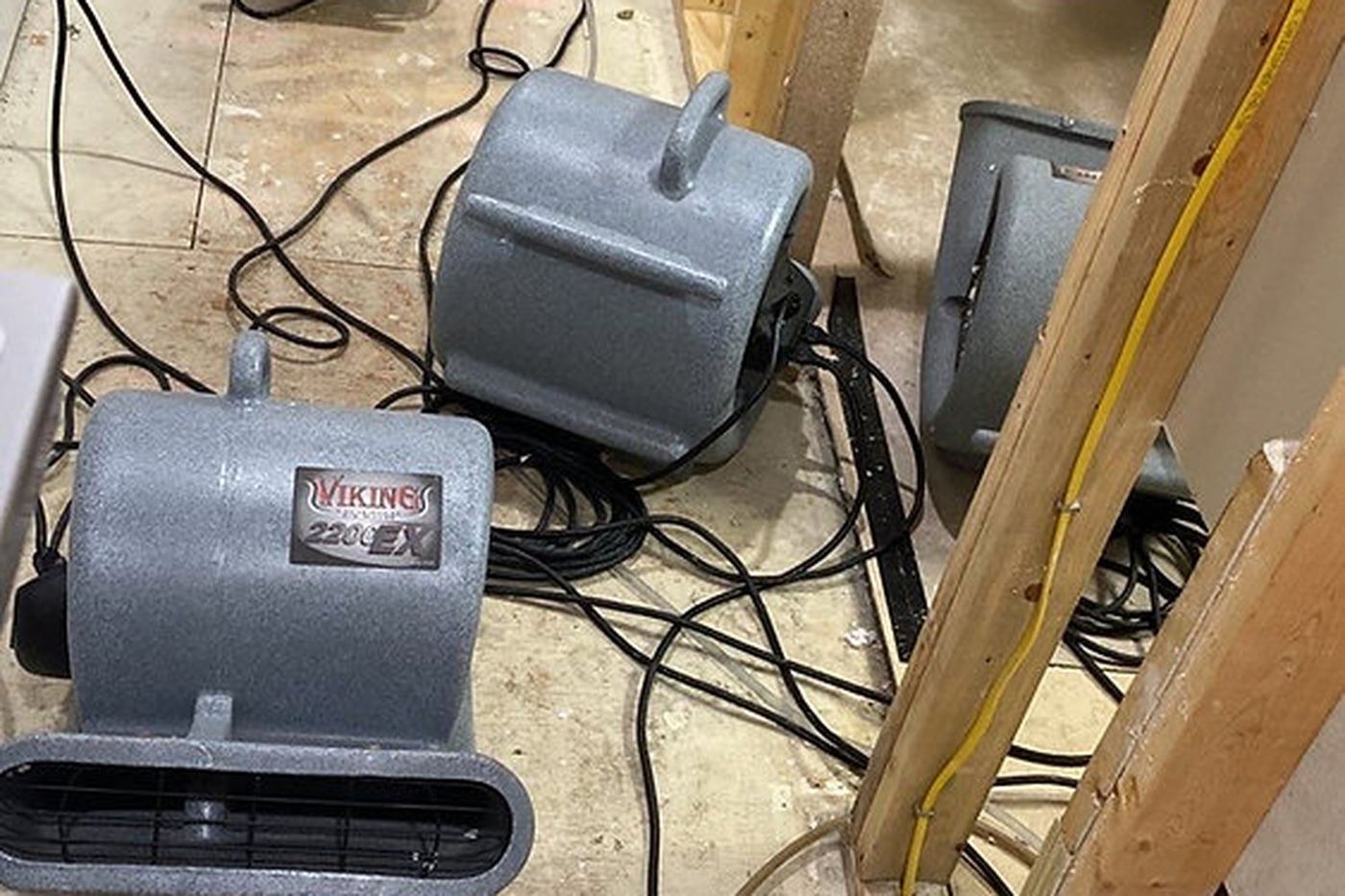
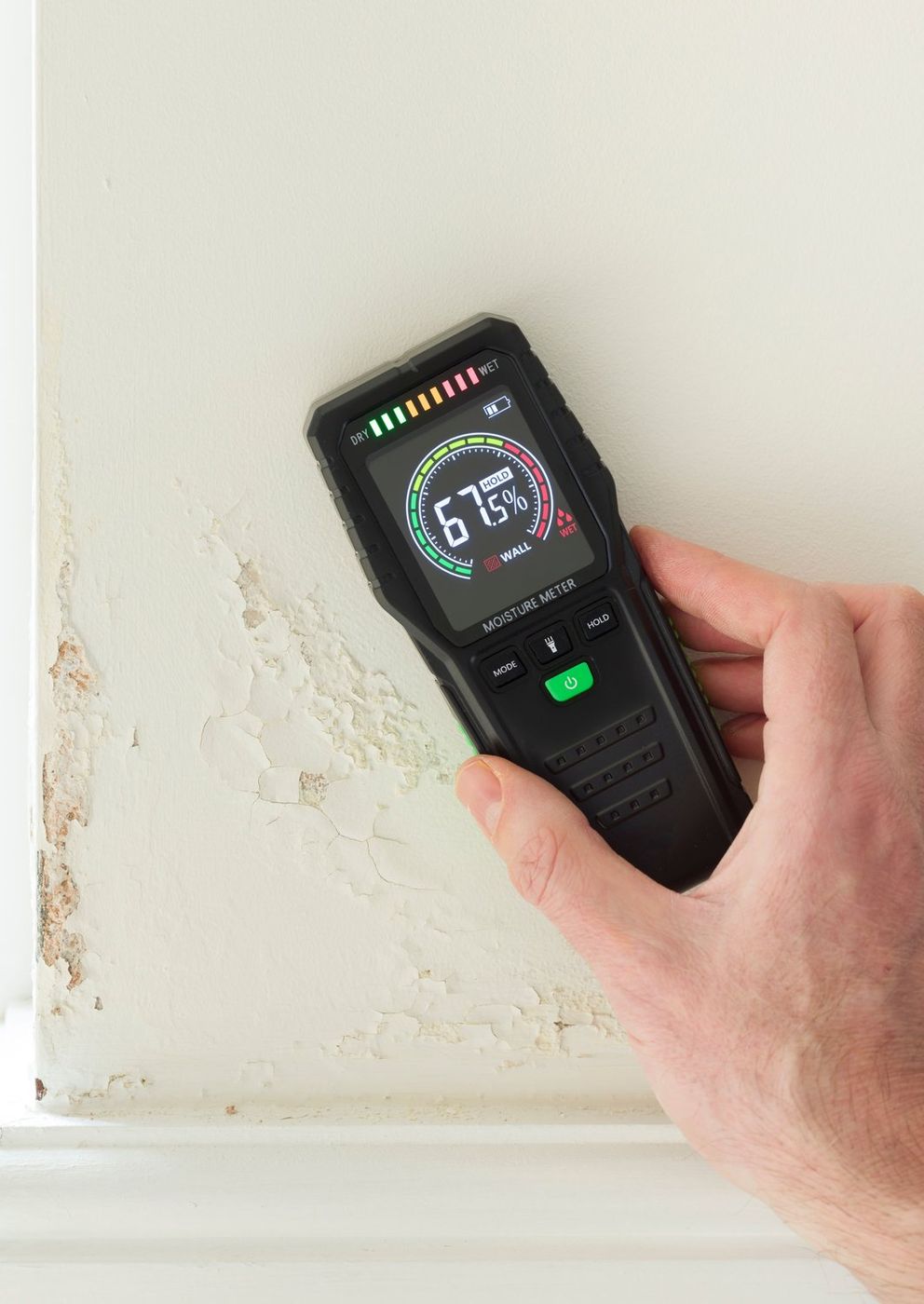
These are frequently under-documented or missing from a carrier estimate — we check for each:
Reach out early — especially before permanent repairs. Call if the estimate seems low, the claim has stalled or been denied, the damage is spreading, or you simply aren't sure the scope is complete.
It depends on the cause. Many policies cover sudden and accidental water damage but exclude long-term leaks or seepage. The wording of your policy and how the loss is documented both matter — Ally reviews the cause of loss against your policy. This is general information, not legal advice.
Water claims are often underpaid because hidden moisture and the full drying and reconstruction scope are left out of the estimate. Ally reviews the affected materials and the carrier's scope for gaps.
Take reasonable steps to stop the source and prevent further damage, document everything with dated photos, keep any mitigation invoices, and avoid permanent repairs until the loss is documented.
A sudden, accidental plumbing failure — a burst supply line, a failed water heater, or an overflowing appliance — is generally treated as a water-damage loss, while long-term or gradual leaks and seepage are often excluded. Coverage turns on the cause of loss and your policy wording. Ally documents the cause and the resulting damage and reviews it against your policy.
This page is general information, not legal advice. Results vary by policy, facts, damages, documentation, and applicable law. Ally Public Adjusting is not a law firm. Licensing and service availability vary by state and must be confirmed before representation.
Results vary by policy, facts, damages, documentation, and applicable law. Ally Public Adjusting is not a law firm and does not provide legal advice. Licensing and service availability vary by state and must be confirmed before representation.